Hydroquinone
The gold standard
The most clinically validated tyrosinase inhibitor for melasma and post-inflammatory hyperpigmentation. Slows melanin production at its root cause.
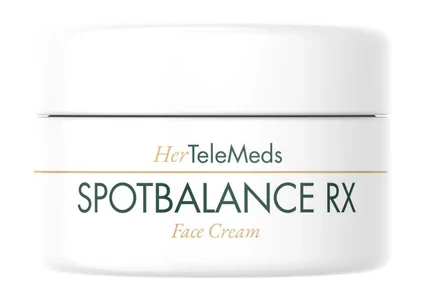
A prescription skin lightening treatment for hyperpigmentation, melasma, and post-inflammatory marks — formulated for women.
Targets the root cause of uneven tone — overactive melanin production — with prescription-strength Hydroquinone, dosed for your skin, applied nightly.
Important Safety InformationConsultation Included
This is a prescription-strength product. Your order includes a free medical consultation with one of our licensed providers.
How it works:
If our providers determine this treatment isn't appropriate for you, your card authorization is released — you're never charged.
Proven Ingredients
One active. Three strengths. Compounded fresh, dosed for your skin, supervised by a board-certified physician.
The gold standard
The most clinically validated tyrosinase inhibitor for melasma and post-inflammatory hyperpigmentation. Slows melanin production at its root cause.
Calibrated to your skin
6% for sensitive starters, 10% for moderate cases, 12% for severe or persistent pigmentation. Your provider sets your starting tier.
Each prescription
Mixed by our partner pharmacy when your prescription is approved. Hydroquinone is unstable; fresh compounding preserves potency.
Dr. Ressalam reviews
Every Hydroquinone prescription is reviewed personally — including pregnancy screening, sun-exposure plan, and step-up timeline.
Melasma and post-inflammatory hyperpigmentation aren't cosmetic — they're medical. Treating them with prescription-strength actives is the difference between fading and chasing.

Dr. Annie Ressalam, MD
Internist · Medical Director, HerTeleMeds
Trusted by thousands
My melasma faded by 80% in three months. I haven't worn full-coverage foundation since.
— HTM Patient, CA
After two months, the dark spots from pregnancy were finally fading.
— HTM Patient, TX
Even tone and a brightness I haven't seen in years. Worth every penny.
— HTM Patient, FL
Personalize your treatment
Hair thinning has different drivers at different life stages. Here's how HairMax addresses the most common concerns at each.
Post-inflammatory hyperpigmentation from breakouts. Hydroquinone fades marks at their cellular source over 8–12 weeks.
Cumulative UV exposure triggers melanin overproduction. Treatment plus daily SPF reverses early damage before it deepens.
Pregnancy- or contraceptive-driven pigmentation. Hydroquinone targets melanin production directly at the strength your skin can tolerate.
The protocol
Hydroquinone alone isn't enough — what surrounds it determines whether you see lasting results. SpotBalance Rx pairs the active with the four habits that make it work.
Hydroquinone blocks tyrosinase, the enzyme that drives melanin synthesis. Pigmentation slows where it starts — in the melanocyte.
Hydroquinone breaks down in sunlight. PM-only application protects the active and minimizes irritation.
Without broad-spectrum SPF 30+ every morning, UV exposure reverses results and can worsen pigmentation. Non-negotiable.
Most providers limit continuous use to 6 months before a maintenance break. We track your cycle and follow up.
Choose your strength
8–10 wks to first results
Best for: Mild discoloration, first-time users, sensitive skin.
Oversight: Standard provider check-in.
6–8 wks to first results
Best for: Moderate melasma, age spots, post-acne marks.
Oversight: Standard + 8-week follow-up.
4–6 wks to first results
Best for: Severe or persistent hyperpigmentation.
Oversight: Close monitoring required.
Your provider determines starting strength based on your skin type, severity, and prior treatment history. You can step up or down between strengths at follow-up.
Pricing
SpotBalance bundles compounded Hydroquinone, a doctor visit, and discreet shipping into one monthly cost — at any of three strength tiers.
SpotBalance Rx
Traditional regimen
Monthly cost
$90 / mo
$200–$400+
Dermatologist visit
Included
$150–$300 separate
Number of products
1 cream
3+ separate Rx
Shipping
Free, discreet
Pharmacy pickup
Provider follow-up
Anytime
Per appointment
Traditional regimen estimate based on dermatologist consultation, branded Hydroquinone (4% Tri-Luma or similar), and adjunct skincare in 2026. SpotBalance Rx at 6%/10%/12% is dosed higher than typical OTC or branded options.
How it works
Skip the waiting room. Tell us about your skin, get evaluated by a licensed provider, and — if appropriate — your prescription ships free.
Application protocol
SpotBalance is a PM-only treatment. Follow your provider's personalized instructions; the standard protocol below applies to most prescriptions.
Wash with a gentle, non-foaming cleanser. Pat skin completely dry — moisture dilutes the active and reduces efficacy.
Pea-sized amount to affected areas. Avoid eyes, nostrils, and lips. SpotBalance Rx is not for daytime use.
After 10–15 minutes, layer your moisturizer. This minimizes dryness, especially at 10% and 12% strengths.
Mandatory. Sun exposure reverses progress. Broad-spectrum SPF is non-negotiable with any Hydroquinone protocol.
Once daily, in the evening only. Hydroquinone breaks down in sunlight, so PM use protects the active and minimizes irritation.
Mild redness or peeling in weeks 1–2 is common. If it persists or worsens, contact your provider before continuing.
Daily SPF 30+ is non-negotiable. Without it, sun exposure will reverse your progress and may worsen pigmentation.
Avoid Vitamin C serums or chemical exfoliants on the same nights. Discuss layering with your provider.
What to expect
Wk 1–4
Settling in
Skin adjusts to the active. Mild redness or peeling is common. Pigmentation begins to lift at the cellular level.
Wk 5–8
First brightening
Tone evens. Spots start fading. Most patients notice family or friends commenting on their skin.
Wk 9–12
Significant fading
Discrete spots and melasma patches noticeably reduced. Most patients see meaningful clearance by week 12.
Wk 16–20
Even tone
Full results from initial protocol. Pigmentation balanced across treated areas.
Wk 24+
Maintenance
Provider transitions you to a maintenance regimen — typically lower strength or less frequent application.
Timing reflects average response from clinical literature on Hydroquinone-based pigmentation treatment. Individual results vary based on skin type, severity, and consistency.
Your questions
Hydroquinone is generally considered safe for short-term use (up to 6 months) under provider supervision. Your provider will guide you on cycling or transitioning to a maintenance plan after the active treatment period.
No. Hydroquinone is contraindicated during pregnancy and breastfeeding. Tell your provider before starting if you are pregnant, planning pregnancy, or nursing.
Hydroquinone increases skin photosensitivity, and UV exposure stimulates the very pigmentation we are treating. Daily broad-spectrum SPF 30+ is non-negotiable — without it, results reverse.
Layering needs to be timed carefully. Avoid applying acidic Vitamin C serums or chemical exfoliants the same evening. Most patients use SpotBalance at night and Vitamin C in the morning.
OTC products typically use weak alternatives like Arbutin or low-dose Niacinamide. SpotBalance Rx is compounded with prescription-strength Hydroquinone at 6%, 10%, or 12% — significantly more effective for moderate-to-severe pigmentation.
Pigmentation can return if sun exposure resumes without protection or hormonal triggers persist. Maintenance protocols typically use lower strength less frequently to hold results.
More for skin and hair
Report negative side effects of prescription drugs to the FDA at www.fda.gov/medwatch or 1-800-FDA-1088.