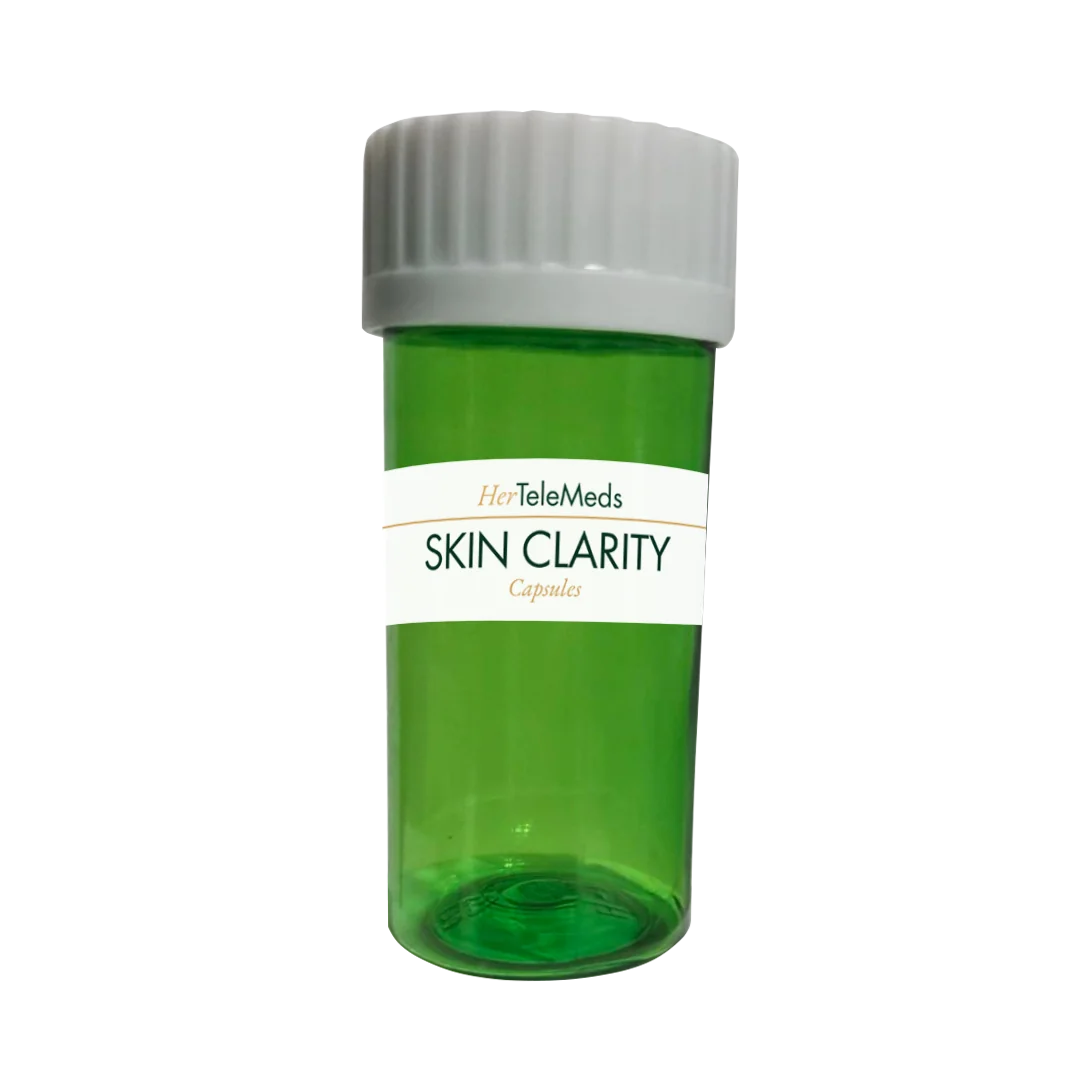
What is hormonal melasma, and why is it different from other hyperpigmentation?
+
Hormonal melasma is driven by the interaction between estrogen and progesterone signaling, UV exposure, and melanocyte activity. It tends to appear symmetrically — across the cheeks, forehead, upper lip, and chin — and fluctuates with hormonal changes. Pregnancy, OCP use, and perimenopause are the most common triggers. Because it's driven internally, it often responds incompletely to topical-only treatments that rely on penetrating the skin's barrier to reach the melanocytes responsible.
How does oral TXA work differently than topical TXA?
+
Tranexamic acid works by interrupting several of the signals that tell your skin to overproduce pigment, including hormonal triggers, UV responses, and inflammation pathways. When taken orally, it reaches melanocytes through the bloodstream rather than through the skin's surface, which matters for melasma that's driven from the inside out. Both oral and topical TXA produce real clinical results — oral delivery just takes a different route to get there, one that doesn't depend on the skin absorbing it.
How effective is oral TXA for melasma?
+
In short: very. At 3 months of oral TXA treatment, a 65.1% reduction in MASI score was documented, with median severity dropping from 12.9 at baseline to 4.5. In the largest retrospective study of oral TXA for melasma (n=561), nearly 90% of patients improved within two months. These results are consistent across multiple independent studies.
Would I be a good candidate for oral TXA vs topical?
+
They are both effective. Good candidates for oral TXA tend to be women with melasma that's hormonally driven — think pregnancy, birth control, or perimenopause as the trigger. This is because systemic delivery addresses the source more directly. It's also the better fit for anyone with melasma in multiple areas, or in hard-to-reach places, since one capsule works everywhere without having to apply cream to each spot. And practically speaking, a daily capsule tends to be easier to stay consistent with than a topical routine.
Topical TXA makes more sense for someone with isolated pigmentation in a specific area, or who prefers to keep treatment localized. Neither is better — just different, because individuals all have different bodies and different needs.
Why does OTC skincare often fall short for hormonal melasma?
+
OTC brightening products typically work at the surface — exfoliating pigmented cells or applying low-concentration actives that partially inhibit melanin production. Hormonal melasma is driven by deeper melanocyte activity that is continuously reactivated by hormonal signaling and UV exposure. OTC concentrations of niacinamide, kojic acid, or vitamin C can offer gradual improvement but generally cannot match the systemic inhibition of melanocyte activation that oral TXA produces.
Is oral TXA safe?
+
Studies have shown that oral TXA does not increase thromboembolic risk, although patients should be screened carefully for contraindications and risk factors prior to commencing therapy. Side effects tend to be mild — most commonly gastrointestinal discomfort (significantly reduced by taking with food) and occasional headache. Every HerTeleMeds prescription is preceded by a clinical consultation to screen for contraindications.
Can I use this if I'm on the pill?
+
Oral contraceptive pills are a relative contraindication for oral TXA. Hormonal contraceptives are themselves a melasma trigger — and there are theoretical concerns about combining oral TXA with estrogen-containing contraceptives. Your HerTeleMeds clinician will review your full contraceptive and hormonal history before prescribing and may recommend a topical-only protocol or alternative approach if OCP use is ongoing.
Will my melasma come back if I stop?
+
On stopping treatment with tranexamic acid, melasma may recur. The relapse rate among patients who improved was 27.2%. Melasma is a chronic condition, particularly for women with active hormonal triggers. Your HerTeleMeds clinician will advise on maintenance dosing, treatment cycles, and whether ongoing low-dose use or periodic retreatment is the right long-term approach for you.
Can I combine this with topical treatments?
+
Yes — and for many patients, combining oral TXA with a topical TXA or niacinamide formulation produces better outcomes than either approach alone. Oral TXA addresses melanocyte activation systemically; topical formulations work on surface pigment transfer and barrier support. Together they address melasma from two directions. Discuss the right combination with your HerTeleMeds clinician.